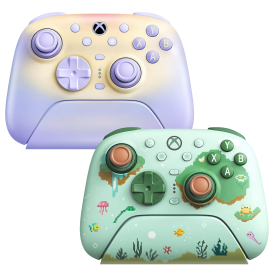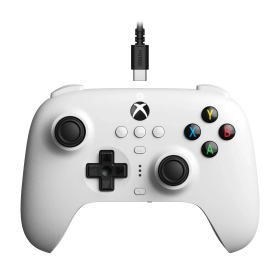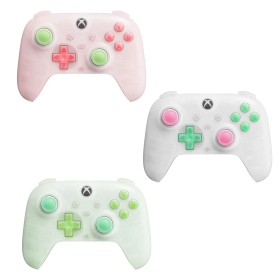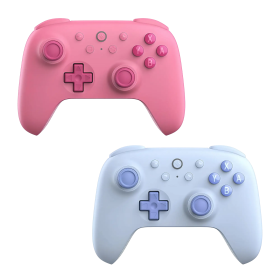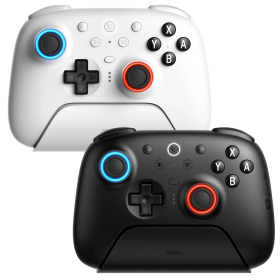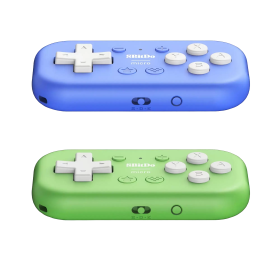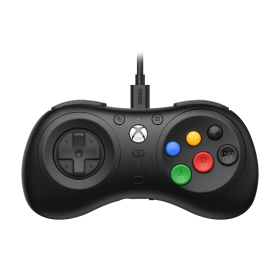
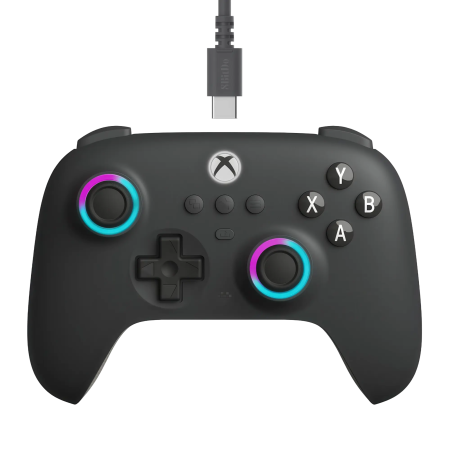
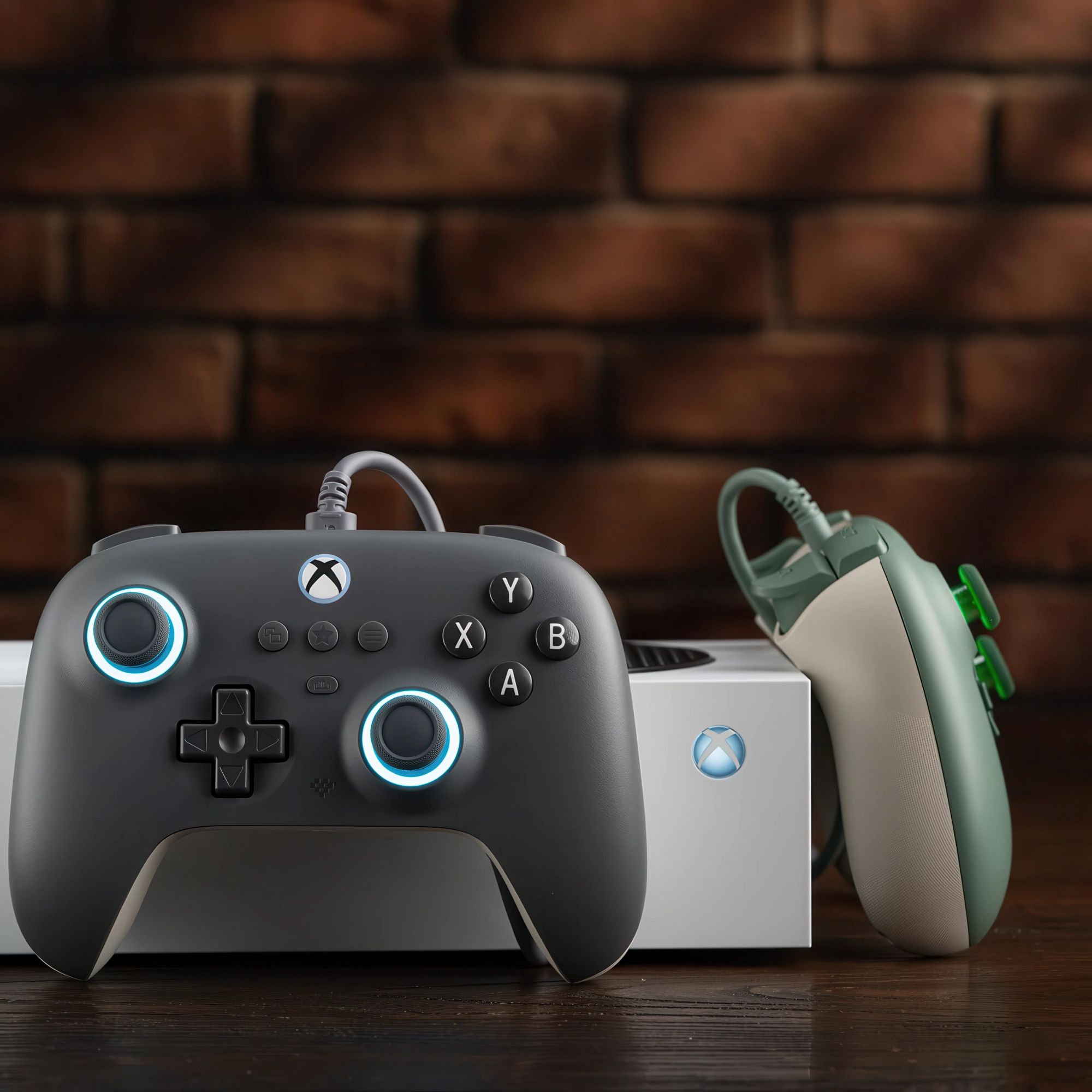


8BitDo Ultimate C Wired Controller for Xbox - dark gray
8BitDo Ultimate C Wired Controller for Xbox - dark gray 8BitDo Ultimate C Wired Controller for Xbox - dark gray 8BitDo Ultimate C Wired Controller for Xbox - dark gray 8BitDo Ultimate C Wired Controller for Xbox - dark gray 8BitDo Ultimate C Wired Controller for Xbox - dark gray 8BitDo Ultimate C Wired Controller for Xbox - dark gray 8BitDo Ultimate C Wired Controller for Xbox - dark gray 8BitDo Ultimate C Wired Controller for Xbox - dark gray 8BitDo Ultimate C Wired Controller for Xbox - dark gray

8BitDo Ultimate C Wired Controller (Xbox, PC)

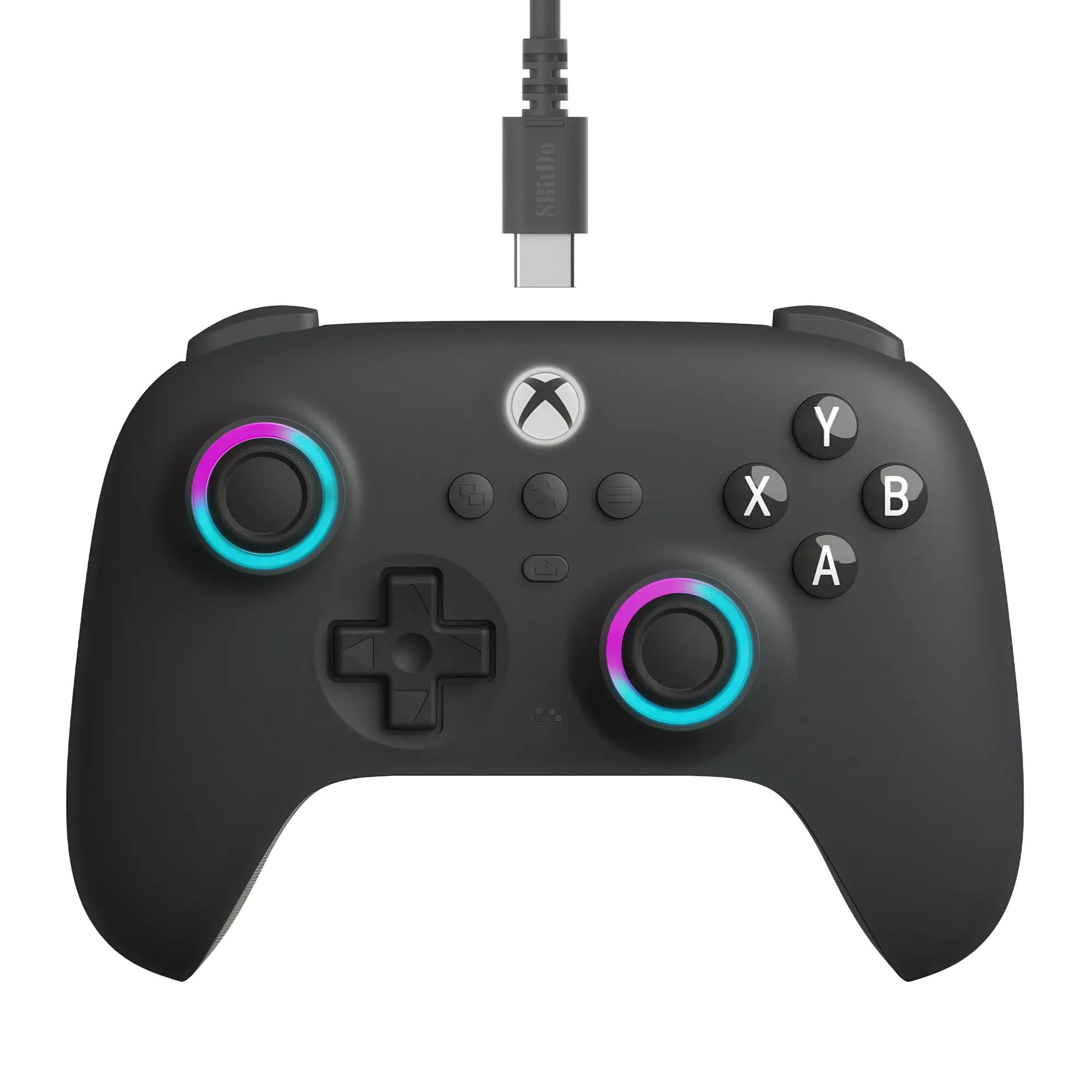
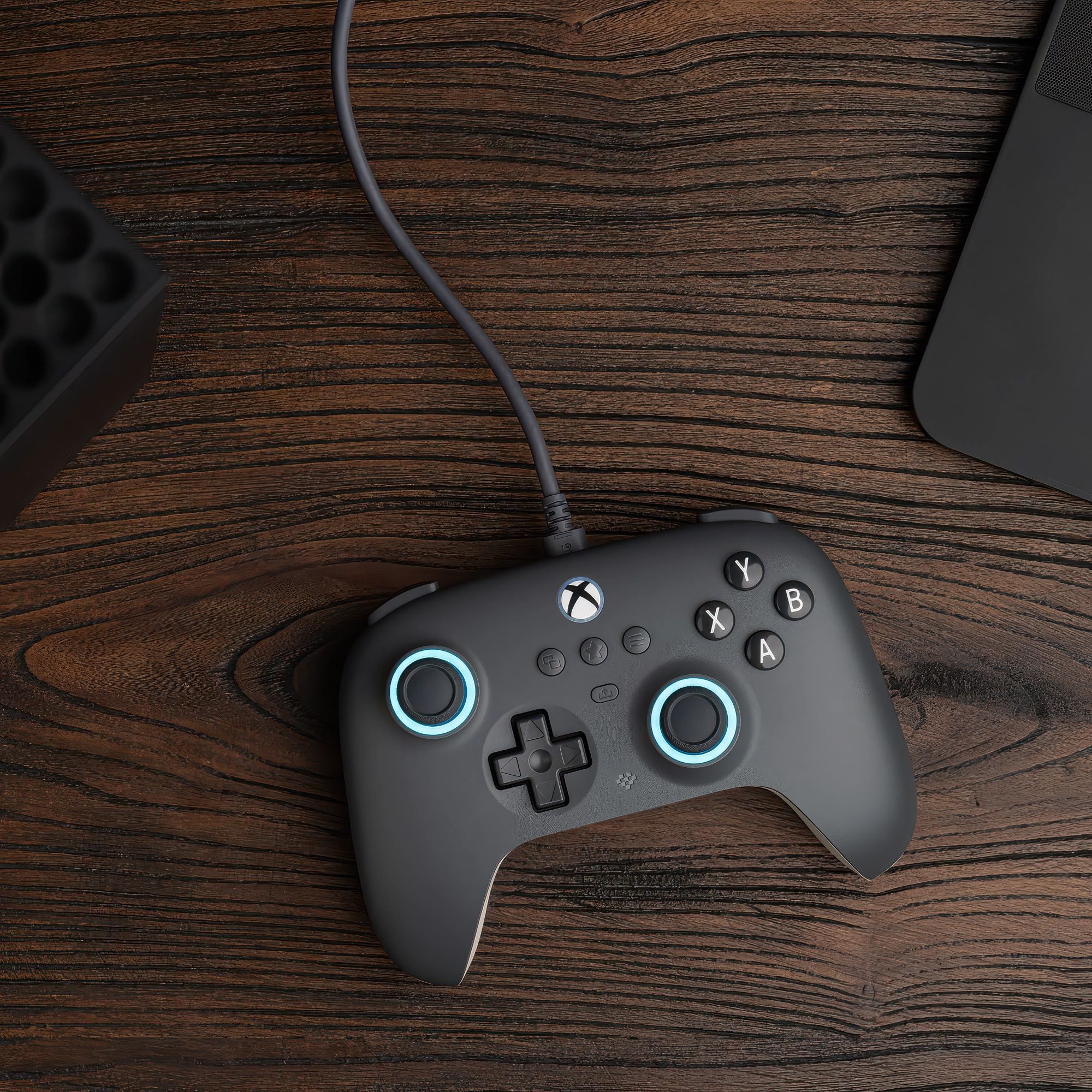
8BitDo Ultimate C Wired for Xbox brings Hall Effect sticks, glowing RGB rings and precise play without a wireless link.

  • Hall Effect sticks and triggers
  • Official Xbox licence
  • RGB Fire Rings and headset jack

€34.90 Tax included (21%)

2 in stock
Ships in 1 - 3 Days

Color

Color:

What makes it special?

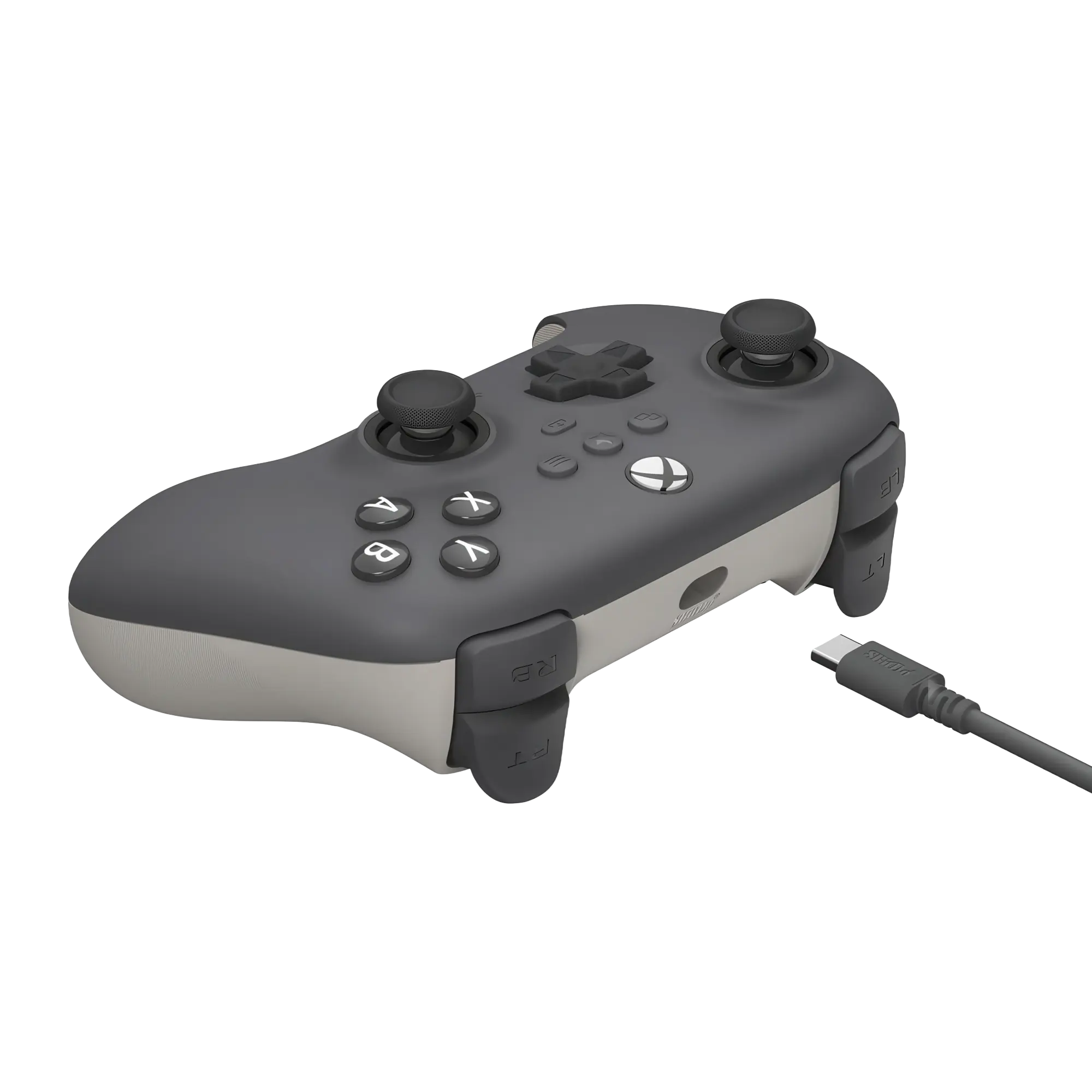
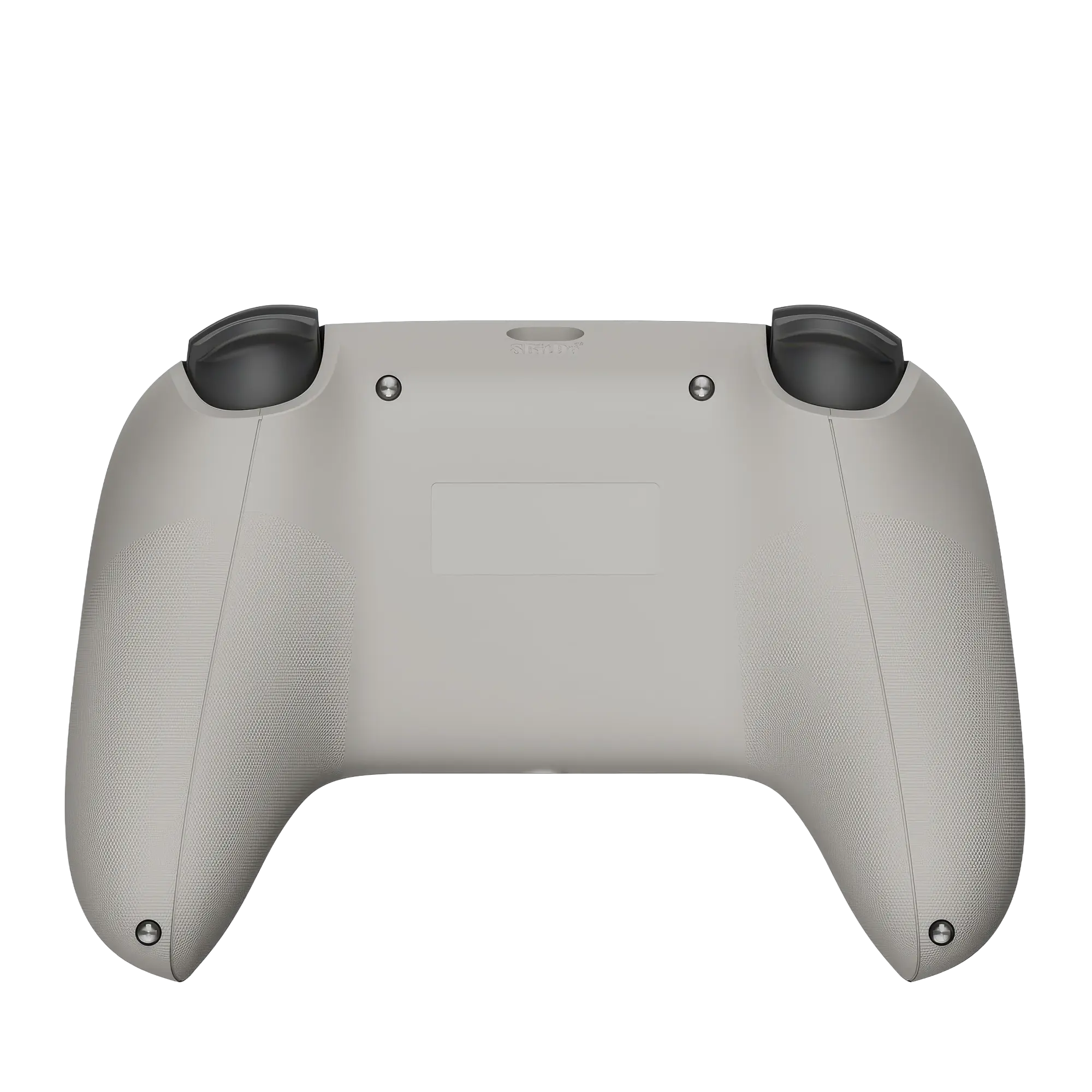
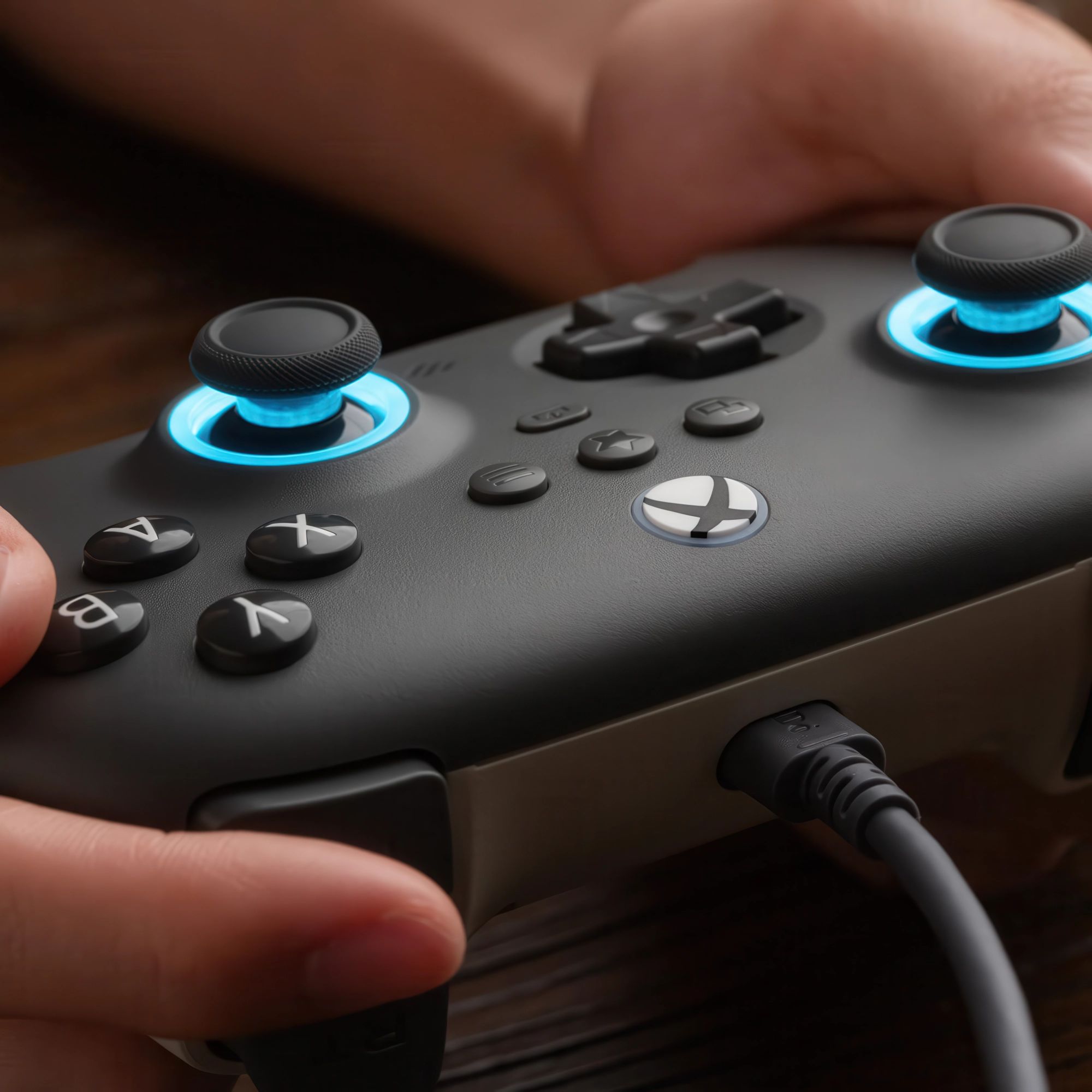
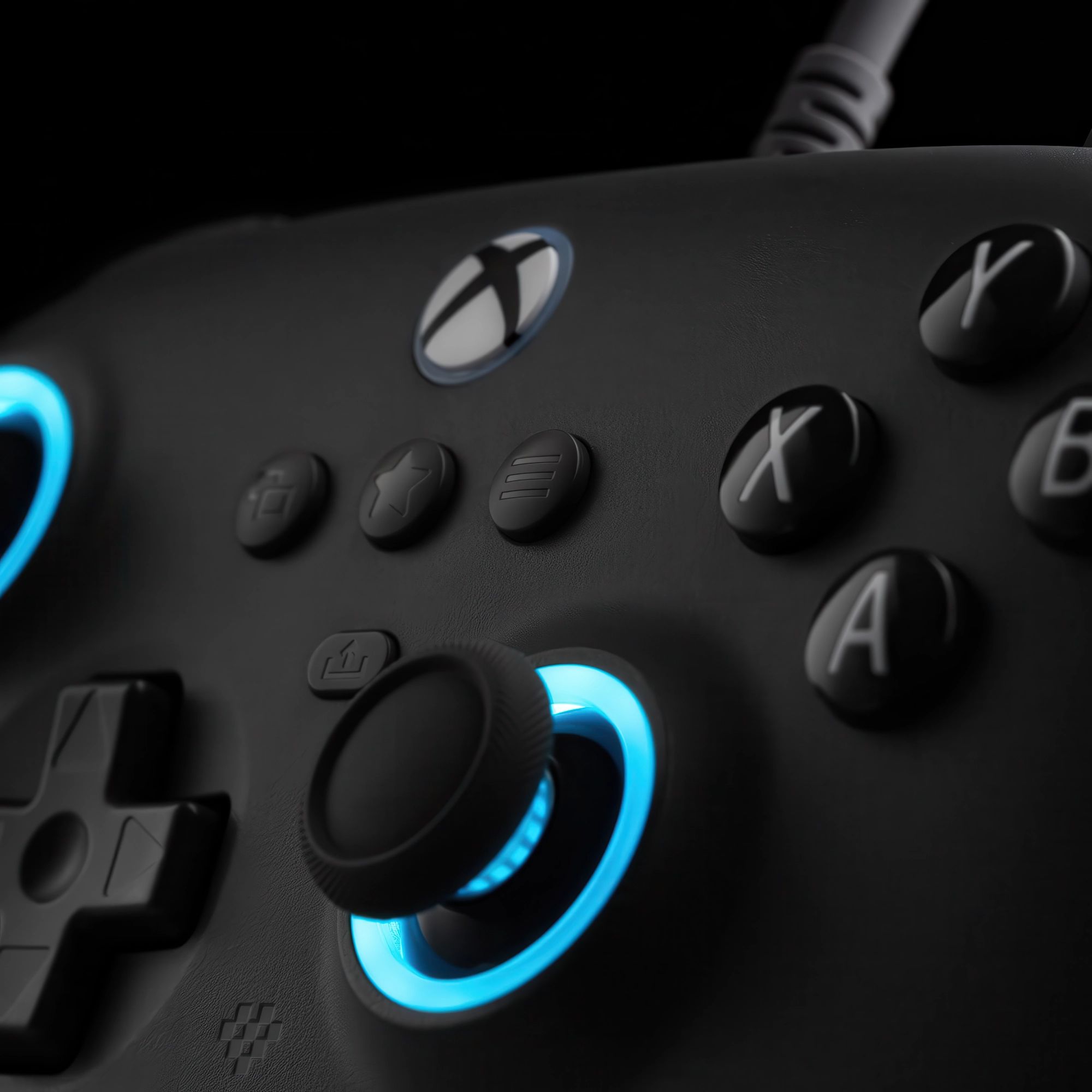
Ultimate C Wired is an easy-to-use, officially licensed Xbox controller with Hall Effect sticks and triggers. Illuminated Fire Rings around the sticks offer multiple RGB effects. Refined bumpers, a precise D-pad, textured grips and impulse-trigger vibration add comfort during long sessions.

Connection and compatibility

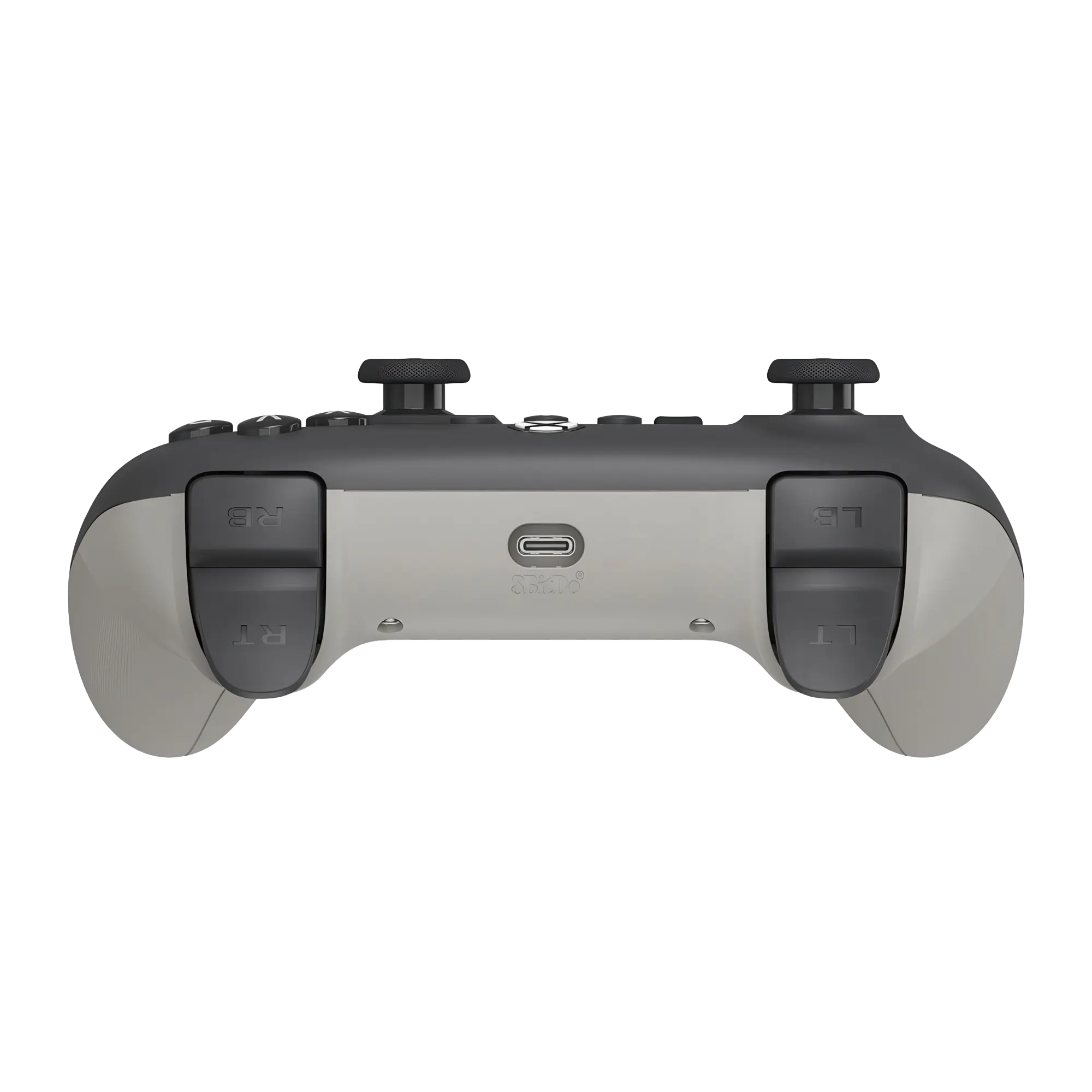
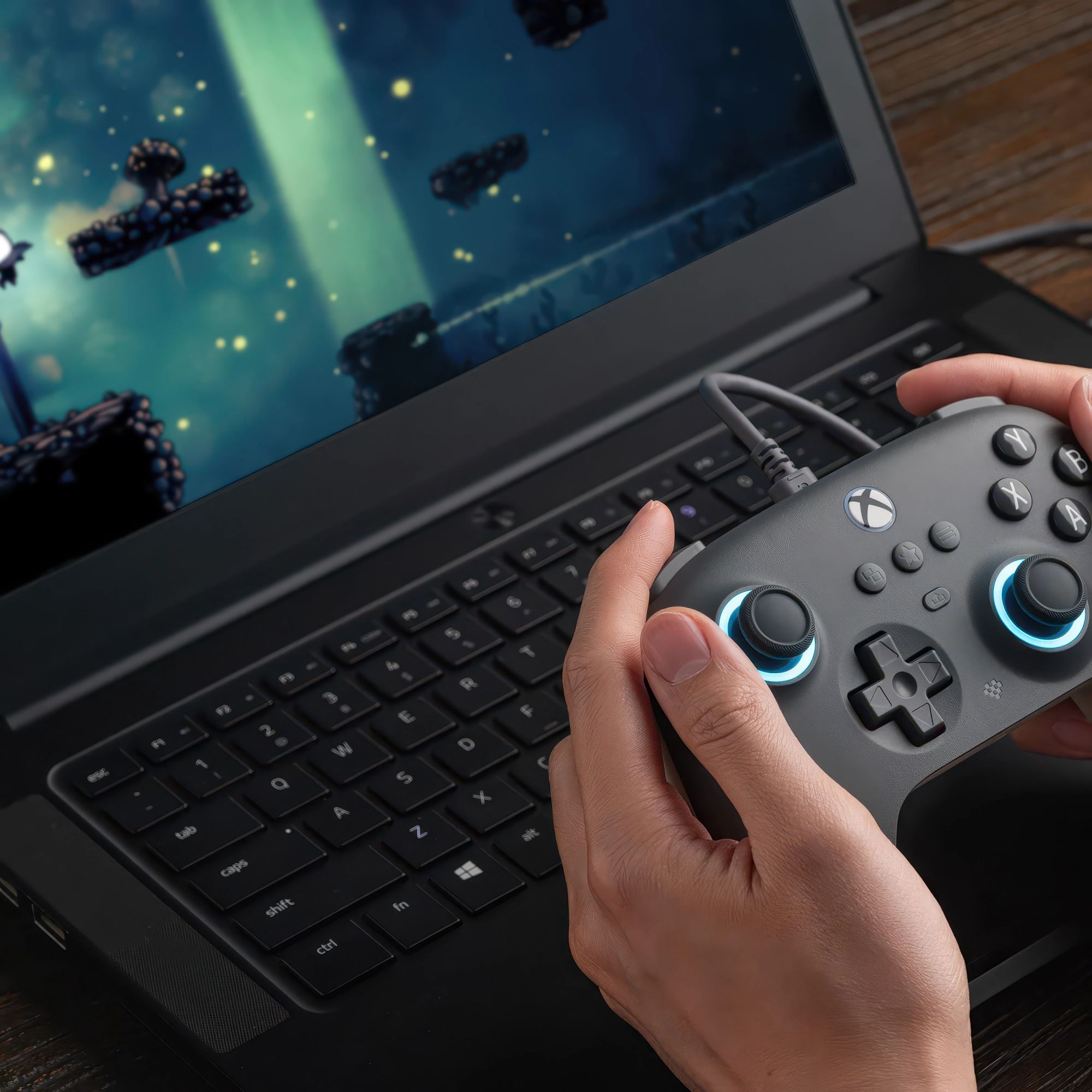
Over USB, the controller works directly with Xbox Series X|S, Xbox One and Windows 10/11. A 3.5 mm CTIA headset jack is included. The roughly 2.5 m cable gives a reasonable amount of freedom for a wired controller.

Good to know

At around 216 g the pad is lightweight. There is no wireless mode or battery. This is a straightforward Xbox all-rounder, not a wireless Switch controller.

In the box

Controller, USB cable and manual.

8BitDo
DBX-8BDO-ULTIMATE-C-XBOX-DARK_GRAY
2 Items
Product Manufacturer
6922621505501
System
Windows PC
Xbox One
Xbox Series X|S
Controller type
Gamepad
Special features
Hall Sensor Analog Sticks (no stick drift)
Vibration
Device weight (g)
216
Device dimensions (W × H × D)
146.7 × 103.5 × 61.3 mm
Connection type
Wired
Number of analog sticks
2
Connection compatibility
Wired USB
Stick technology
Hall effect
Trigger technology
Hall effect / impulse
Controller layout
Gamepad
Motion control
No
Vibration
Yes
3.5 mm audio
3.5 mm
Extra/back buttons
RGB fire ring
Remapping/software
No
Charging dock included
No
DRAGONBOX KNOW-HOW

Practical answers about compatibility, features and how things work.

What do polling rate and latency mean for a controller?

Polling rate and latency both affect how quickly a controller responds to your inputs, but they describe two different things.

What is polling rate?

Polling rate describes how often the controller or its connection reports or requests new input data from the system.

It is measured in hertz (Hz).

Polling rateReporting interval
125 Hz8 milliseconds
250 Hz4 milliseconds
500 Hz2 milliseconds
1,000 Hz1 millisecond

The higher the polling rate, the shorter the interval between input reports can be.

A high polling rate can therefore be useful in fast-paced games. The connected system must also support the relevant reporting rate.

What is latency?

Latency is the delay between an action on the controller and the moment the system registers that input.

Several factors contribute to this delay:

  • How quickly the controller detects and processes the button press.
  • How long transmission via cable, Bluetooth or 2.4 GHz wireless takes.
  • How quickly the connected system processes the input.

Before the action becomes visible on the screen, the game and display introduce additional processing delays.

Does a 1,000 Hz polling rate automatically mean 1 ms of latency?

No. At 1,000 Hz, only the reporting interval is one millisecond. The total input delay can be considerably higher.

In practice, a well-optimized controller running at 500 Hz can therefore respond faster than a poorly optimized controller running at 1,000 Hz.

Which values matter?

For most games, consistently low latency matters more than the highest possible polling rate.

Low delays can be especially beneficial for fast action games, shooters and competitive games. In retro games, processing by emulators, consoles or FPGA systems and the display also matter.

Our tip: A high polling rate is an interesting technical specification, but does not by itself prove that a controller is fast. Measurements of real-world latency under comparable conditions are more meaningful.

What are Hall effect and TMR sticks, and how do conventional analog sticks work?

Modern controllers are often advertised as having Hall effect or TMR sticks. Both technologies aim to provide precise, long-lasting analog sticks. How do they differ from conventional designs?

Conventional analog sticks: potentiometers

Traditional analog sticks use potentiometers, in which a small electrical wiper moves along a resistive track.

The resulting change in electrical resistance is measured to determine the stick's position. Typically, two potentiometers are used to measure horizontal and vertical movement.

The drawback is that the resistive tracks can wear over time due to mechanical contact. Dust and dirt can also interfere with the measurement. One possible result is stick drift: the controller registers movement even though the stick is not being touched.

Hall effect sticks: magnetic sensing without electrical contact

Hall effect sticks use magnets and specialized sensors to determine the position of the analog stick.

They measure changes in a magnetic field, so they do not require the electrical wiper contact used by conventional potentiometers.

This removes a common source of wear. Hall effect sticks are therefore much less susceptible to stick drift caused by worn potentiometer contacts.

TMR sticks: a different magnetic sensor technology

TMR stands for Tunnel Magnetoresistance.

Like Hall effect sticks, TMR sticks sense their position without electrical contact, using magnets. However, the measurement principle is different: the sensors detect changes in electrical resistance caused by the magnetic field.

TMR sensors can be particularly sensitive to small changes and, depending on their design, may consume less power than comparable Hall sensors.

That does not automatically mean every TMR controller is more precise or has better battery life. The electronics, calibration and processing of the sensor readings matter as well.

Are Hall effect and TMR sticks completely immune to stick drift?

No. Both technologies avoid wear of the conventional electrical wiper contacts, but the sticks still contain mechanical components.

For example, return springs can wear, dirt can obstruct movement, and calibration problems can occur. Hall effect and TMR sticks can therefore still report unintended movement.

However, the risk of classic stick drift caused by worn potentiometer tracks is significantly reduced.

How do the triggers (shoulder buttons) work?

Analog triggers, such as LT/RT or L2/R2, can use similar sensing methods:

  • Potentiometer triggers: Trigger position is measured through a change in electrical resistance.
  • Hall effect triggers: Position is measured without electrical contact, using a magnetic field. This eliminates wear from an electrical wiper contact.
  • Digital triggers: These work like regular buttons and detect only whether they are pressed. They do not measure a continuously variable position.

Analog triggers are useful in racing games, for example, because they allow fine control over acceleration and braking. Digital triggers can be useful in games that only need a quick button press.

Which technology is best?

Well-designed Hall effect and TMR sticks offer clear advantages over conventional potentiometers in terms of sensor wear.

TMR may also offer benefits in sensitivity and power consumption. However, a well-designed Hall effect stick can perform just as well as, or better than, a poorly designed TMR stick.

Besides the sensor technology, the mechanics, calibration and overall quality of the controller are equally important.

What is the difference between 8BitDo Pro and Ultimate controllers?

At 8BitDo, “Ultimate” does not automatically mean “better” than “Pro”. The main difference between the two series is their shape and the arrangement of the D-pad and analog sticks.

Pro series: Inspired by classic SNES and PlayStation controllers. The D-pad sits at the upper left, with the left analog stick below it. The two analog sticks are symmetrically positioned. This layout appeals to fans of classic controllers and players who often use the D-pad.

Ultimate series: Inspired by modern Xbox and Nintendo Switch Pro controllers. Here the positions are reversed: the left analog stick is at the upper left, with the D-pad below it. The analog sticks are offset.

Important: The series name does not tell you which controller has more features or better technology. Connectivity, supported platforms, stick technology, triggers and extra features vary by model. Choose based on your preferred layout and the individual controller's specifications.

Manufacturer
8BITDO TECHNOLOGY HK LIMITED
610 Nathan Road
Rooms 1318-19, 13/F, Hollywood Plaza,
Mongkok, Kowloon
Hong Kong SAR China
EU responsible person
OpenPandora GmbH
+49 841 1317733
Asternweg 5
Michael Mrozek
85080 Gaimersheim
Germany
chat Comments (0)
8BitDo Ultimate C Wired Controller (Xbox, PC)
€34.90